

Hey there! As a supplier of metal laser cutting machines, I often get asked about the energy consumption of these bad boys. It's a crucial topic, especially for businesses looking to cut costs and be more eco - friendly. So, let's dive right in and break down what affects the energy consumption of a metal laser cutting machine.
The Basics of Energy Consumption in Metal Laser Cutting Machines
First off, it's important to understand that the energy consumption of a metal laser cutting machine isn't a one - size - fits - all deal. It depends on a bunch of factors, like the type of machine, the power of the laser, the material being cut, and the cutting speed.
Let's start with the type of machine. We've got different models in our lineup, such as the E - paper Laser Cutting Machine, the Plate and Tube Integrated Laser Cutting Machine, and the 3D Laser Cutting Machine. Each of these machines has its own unique energy requirements.
The power of the laser is a major player in energy consumption. Generally speaking, the higher the laser power, the more energy it uses. A machine with a 1000 - watt laser will consume less energy than one with a 6000 - watt laser. But here's the catch: a higher - powered laser can cut through thicker and tougher materials faster. So, it's a trade - off between energy use and productivity.
Factors Affecting Energy Consumption
Material and Thickness
The material you're cutting also makes a big difference. Cutting through thin sheets of aluminum is a lot easier and less energy - intensive than cutting through thick steel plates. Different metals have different melting points and thermal conductivities, which means the laser has to work harder to cut some materials than others. For example, stainless steel has a relatively high melting point, so the laser needs more energy to cut through it compared to mild steel.
Cutting Speed
Cutting speed is another factor. If you set the machine to cut at a slower speed, it might use less energy per unit length of the cut, but the overall cutting time will be longer. On the other hand, a faster cutting speed can reduce the overall cutting time, but the laser might need to operate at a higher power to maintain the speed, which increases energy consumption. It's all about finding the sweet spot for your specific cutting needs.
Machine Efficiency
The efficiency of the machine itself plays a role too. Newer models are often designed to be more energy - efficient. They use advanced technologies like better cooling systems and optimized laser delivery systems to reduce energy waste. For instance, some machines have intelligent power management systems that adjust the laser power based on the cutting task, which can save a significant amount of energy over time.
Measuring Energy Consumption
So, how do you measure the energy consumption of a metal laser cutting machine? Well, it's usually measured in kilowatt - hours (kWh). You can use a power meter to measure the actual power draw of the machine during operation. Keep in mind that the machine doesn't just consume energy when the laser is cutting. It also uses power when it's in standby mode, for things like the control system, the cooling system, and the conveyor belts.

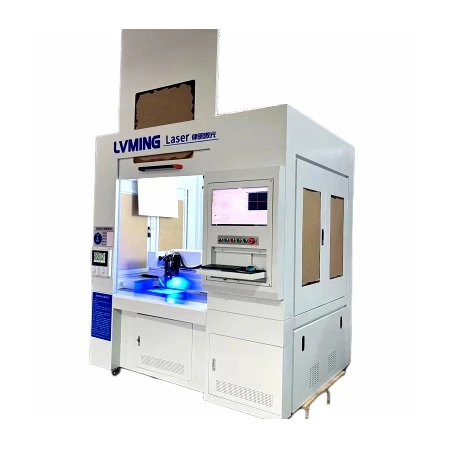
Let's say you run a machine for 8 hours a day, and it has an average power consumption of 5 kilowatts. In a day, it will consume 5 kW x 8 hours = 40 kWh. Over a month (assuming 22 working days), that's 40 kWh x 22 days = 880 kWh. This is a rough estimate, and the actual consumption can vary depending on the factors we've discussed earlier.
Tips to Reduce Energy Consumption
If you're looking to cut down on energy costs, here are some tips:
Optimize Cutting Parameters
As I mentioned before, finding the right balance between cutting speed and power is crucial. You can run some test cuts to determine the most energy - efficient settings for the materials you commonly cut. Also, make sure to use the correct focal length and beam diameter for the job, as this can improve cutting efficiency and reduce energy use.
Regular Maintenance
Keeping your machine in good condition is essential. A well - maintained machine will operate more efficiently. This includes cleaning the lenses regularly, checking the alignment of the laser beam, and replacing worn - out parts. A dirty lens can cause the laser to scatter, which means it has to use more energy to achieve the same cutting effect.
Use Energy - Saving Modes
Many modern metal laser cutting machines come with energy - saving modes. These modes can reduce the power consumption when the machine is idle or not in use. For example, some machines can automatically turn off the laser and other non - essential components when there's no cutting task for a certain period of time.
Energy Consumption Comparison
Let's take a quick look at how the different types of machines in our lineup compare in terms of energy consumption. The E - paper Laser Cutting Machine is generally more energy - efficient because it's designed for thinner materials and has a relatively lower laser power. On the other hand, the 3D Laser Cutting Machine may consume more energy due to its complex motion control system and the need to cut in multiple directions. The Plate and Tube Integrated Laser Cutting Machine falls somewhere in between, depending on whether it's cutting plates or tubes.
The Impact of Energy Consumption on Your Business
High energy consumption can have a significant impact on your bottom line. Energy costs can add up quickly, especially if you're running your machine for long hours every day. By understanding and managing the energy consumption of your metal laser cutting machine, you can reduce your operating costs and improve your profit margins.
Moreover, being energy - efficient is also good for the environment. As more and more businesses are looking to reduce their carbon footprint, using an energy - efficient metal laser cutting machine can give you a competitive edge in the market.
Conclusion
In conclusion, the energy consumption of a metal laser cutting machine is influenced by many factors, including the type of machine, laser power, material, cutting speed, and machine efficiency. By understanding these factors and implementing some energy - saving measures, you can reduce your energy costs and make your business more sustainable.
If you're interested in learning more about our metal laser cutting machines or have any questions about energy consumption, feel free to reach out. We're here to help you find the best solution for your cutting needs. Whether you're a small - scale workshop or a large - scale manufacturing plant, we've got the right machine for you. Let's start a conversation and see how we can work together to improve your cutting operations.
References
- "Laser Cutting Technology: Principles and Applications"
- "Energy - Efficient Manufacturing in the Metalworking Industry"